Stakeholder Statement
Manage Stakeholder Relationships
Track all stakeholder investments, shareholdings, and relationships in one place. Generate comprehensive reports, monitor engagement, and maintain transparent communication with every stakeholder in your business ecosystem.
Stakeholder Tracking
Comprehensive view
Report Generation
Instant creation
Real-time Updates
Live sync
Secure Data
Bank-grade
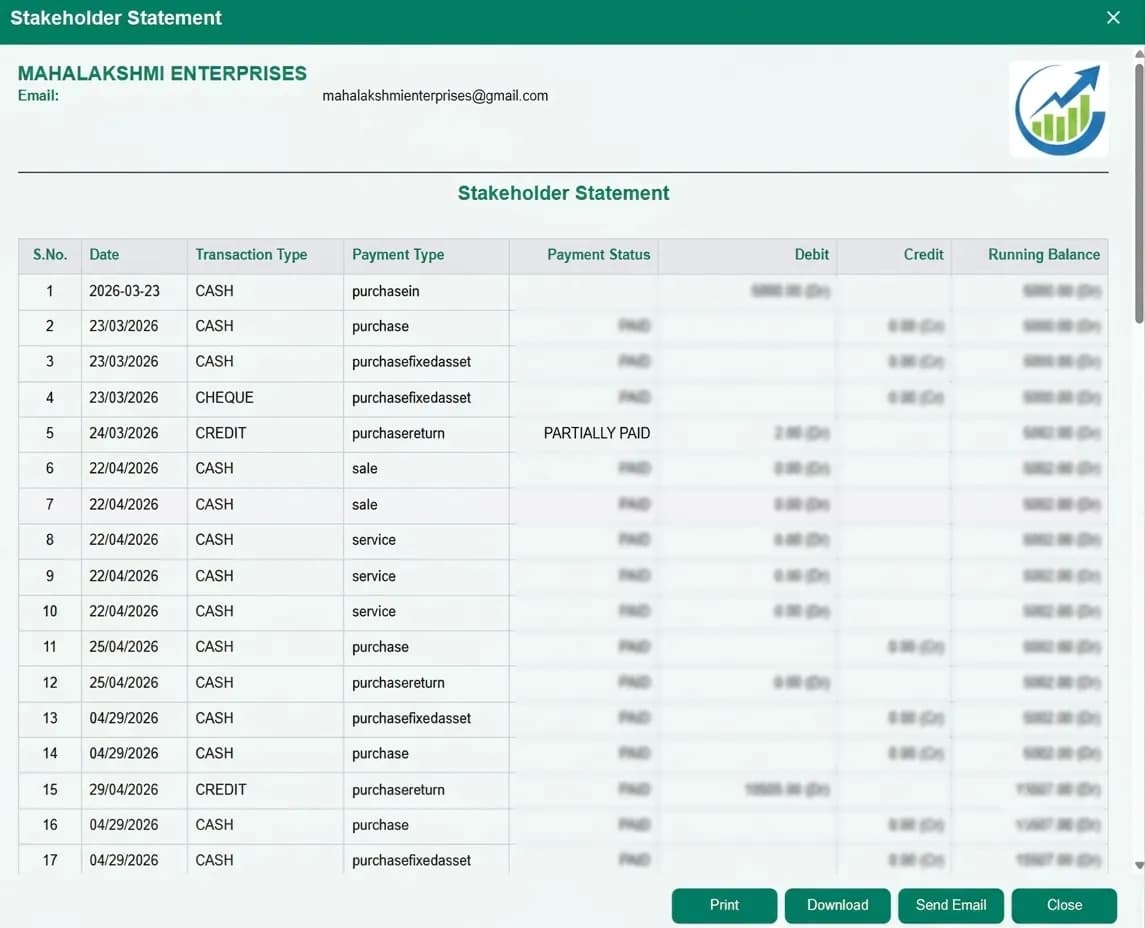
Everything You Need to Manage Stakeholders Efficiently
Track Stakeholders
Manage all stakeholder relationships in one place.
Report Generation
Create comprehensive stakeholder statements instantly.
Analytics Dashboard
Visual insights into stakeholder engagement.
Real-time Updates
Stay current with stakeholder interactions.
Secure Data
Bank-grade security for all stakeholder information.
Master Your Stakeholder Statement Reports
A stakeholder statement report is a comprehensive document that provides detailed information about all individuals or entities that have an interest in or are affected by the activities of a business. This includes shareholders, investors, creditors, employees, customers, suppliers, and community members. The report outlines stakeholder holdings, contributions, engagement levels, and the impact of business decisions on each stakeholder group.
Stakeholder statement reports are essential for maintaining transparency, building trust, and ensuring that all stakeholder interests are considered in business decision-making. These reports help organizations demonstrate their commitment to stakeholder value creation and sustainable business practices.
How to Use a Stakeholder Statement Report
Stakeholder Identification
Identify all stakeholders connected to your business, including shareholders, investors, creditors, employees, and community members.
Engagement Tracking
Monitor stakeholder engagement, communication history, and interaction patterns to strengthen relationships.
Report Generation
Generate comprehensive stakeholder statements for board meetings, investor presentations, and regulatory compliance.
Performance Analysis
Analyze stakeholder returns, shareholding patterns, and investment performance for informed decision-making.
Why Businesses Need Stakeholder Statement Reports
Stakeholder statement reports are essential for modern business management:
- Build Trust: Demonstrate transparency and accountability to all stakeholders.
- Regulatory Compliance: Meet legal and regulatory reporting requirements.
- Informed Decision Making: Make decisions that consider all stakeholder interests.
- Risk Management: Identify and mitigate stakeholder-related risks.
- Investor Confidence: Provide investors with clear visibility into stakeholder engagement.
- Strategic Planning: Align business strategy with stakeholder expectations.
- Competitive Advantage: Stand out with superior stakeholder relationship management.
- Sustainable Growth: Build long-term value through stakeholder collaboration.
Key Benefits of Using a Stakeholder Statement Report
Enhanced Transparency
Provide clear visibility into stakeholder holdings, interests, and engagement.
Improved Communication
Strengthen stakeholder relationships through regular, transparent reporting.
Better Decision Making
Make informed decisions that balance stakeholder interests with business goals.
Risk Mitigation
Identify and address stakeholder concerns before they become risks.
Regulatory Compliance
Ensure compliance with corporate governance and reporting standards.
Value Creation
Demonstrate commitment to creating value for all stakeholders.
Important Components Included in a Stakeholder Statement Report
Stakeholder Profile
Detailed information about each stakeholder including name, contact details, and relationship to the business.
Shareholding Details
Current shareholdings, investment amounts, and percentage ownership.
Engagement History
Records of stakeholder interactions, meetings, communications, and feedback.
Returns & Dividends
Historical and projected returns, dividend payments, and investment performance.
Risk Assessment
Identified risks associated with each stakeholder and mitigation strategies.
Strategic Impact
Assessment of stakeholder influence on business strategy and operations.
How Stakeholder Statement Reports Help in Financial Analysis and Decision-Making
- Financial Health Assessment: Evaluate the impact of stakeholder relationships on financial stability.
- Investment Analysis: Analyze the return on investment for different stakeholder groups.
- Risk Evaluation: Identify financial risks associated with stakeholder dependencies.
- Capital Allocation: Make informed decisions about capital allocation based on stakeholder priorities.
- Performance Metrics: Track key performance indicators related to stakeholder value creation.
- Strategic Planning: Align financial strategy with stakeholder expectations and requirements.
Best Practices for Maintaining Accurate Stakeholder Statement Reports
Regular Updates
Update stakeholder information regularly to maintain accuracy and relevance.
Comprehensive Documentation
Maintain detailed records of all stakeholder interactions and transactions.
Clear Communication
Communicate clearly and transparently with all stakeholders.
Data Security
Implement robust security measures to protect stakeholder information.
Periodic Reviews
Conduct regular reviews of stakeholder relationships and reports.
Stakeholder Feedback
Actively seek and incorporate stakeholder feedback for continuous improvement.
Understanding Stakeholder Statement Reports for Business Growth
A stakeholder statement report is a critical tool for business growth and sustainability, providing a comprehensive view of all relationships that impact your organization's success. By maintaining accurate stakeholder records, businesses can build trust, ensure compliance, and make strategic decisions that benefit all parties involved. Modern stakeholder management software automates the tracking of these relationships, providing real-time visibility into stakeholder engagement and supporting better business outcomes.
01. Stakeholder Identification and Mapping
The first step in effective stakeholder management is identifying all individuals and groups that have a stake in your business. This includes shareholders, investors, creditors, employees, customers, suppliers, regulators, and community members. By mapping these stakeholders, you can understand their interests, influence, and expectations, enabling you to develop targeted engagement strategies.
02. Building Strong Stakeholder Relationships
Strong stakeholder relationships are built on trust, transparency, and consistent communication. Regular stakeholder statement reports demonstrate your commitment to accountability and create opportunities for meaningful dialogue. By understanding stakeholder needs and concerns, you can align business strategies with stakeholder expectations, creating value for all parties involved.
03. Strategic Decision-Making with Stakeholder Input
Stakeholder statement reports provide valuable insights that inform strategic decision-making. By considering stakeholder perspectives, you can identify potential risks, uncover opportunities, and make decisions that balance business objectives with stakeholder interests. This collaborative approach leads to more sustainable outcomes and strengthens long-term business performance.
04. Measuring Stakeholder Value Creation
Tracking stakeholder engagement and satisfaction helps you measure the value created for each stakeholder group. This includes financial returns for investors, career development for employees, quality products for customers, and community benefits for society. Regular reporting enables you to demonstrate your commitment to creating value for all stakeholders.
05. Leveraging Technology for Stakeholder Management
Modern stakeholder management software provides powerful tools for tracking relationships, generating reports, and managing communication. These solutions offer integrated dashboards, automated notifications, and comprehensive analytics to help you maintain accurate records and make data-driven decisions. By leveraging technology, you can enhance stakeholder engagement and drive business growth.
✓ Effective stakeholder management is essential for business success, enabling you to build trust, ensure compliance, and create sustainable value for all stakeholders.