Supplier Management
Streamline Your Supply Chain
Manage your entire supplier ecosystem efficiently. Track vendor performance, automate purchase orders, monitor inventory levels, and maintain healthy supplier relationships — all from a single, intuitive platform.
Centralized Database
All suppliers
Performance Tracking
Real-time metrics
Automated Orders
Smart procurement
Secure Data
Bank-grade
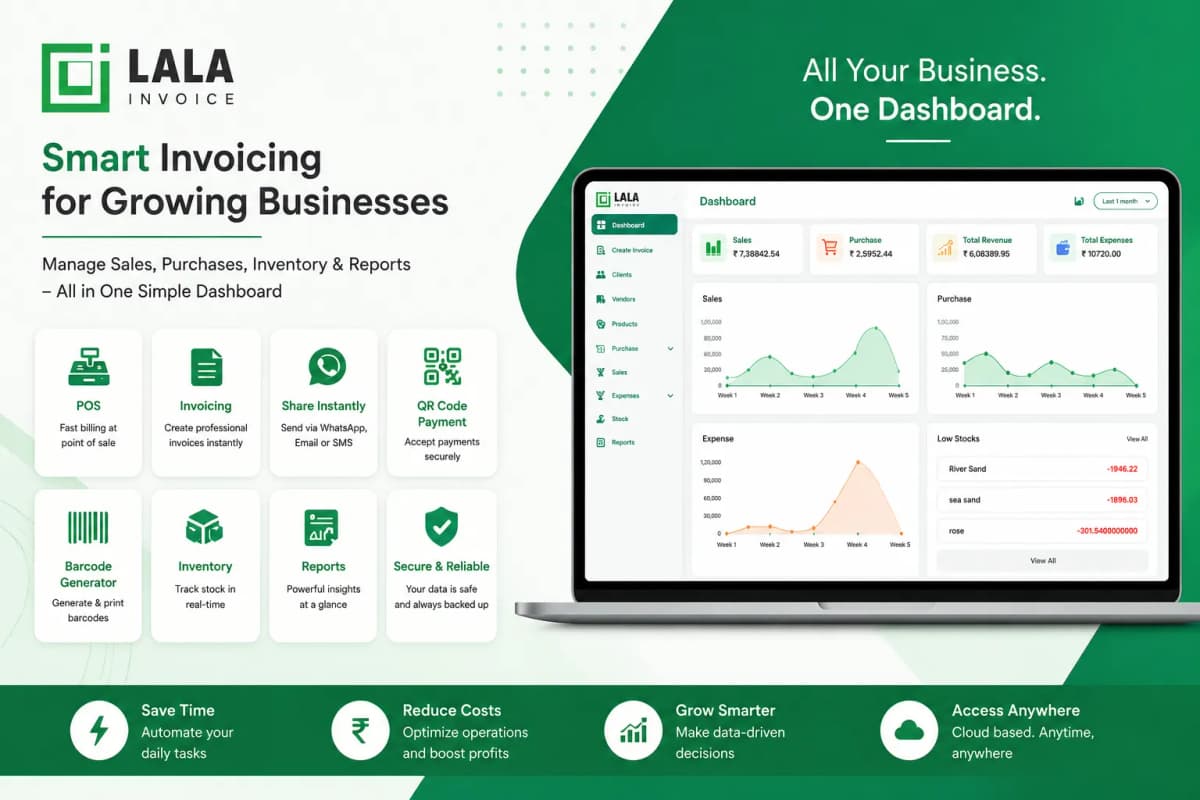
Everything You Need to Manage Suppliers Efficiently
Supplier Database
Centralized repository of all supplier information and contacts.
Purchase Management
Track and manage all purchase orders and transactions.
Vendor Performance
Evaluate and monitor supplier performance metrics.
Inventory Tracking
Monitor stock levels and supplier inventory in real-time.
Payment Management
Automate and track supplier payments and invoices.
Master Your Supplier Management
Supplier management software for small business is a comprehensive solution designed to help small and medium-sized enterprises effectively manage their supplier relationships, procurement processes, and supply chain operations. This software centralizes all supplier information, automates purchase orders, tracks vendor performance, and provides real-time visibility into your supply chain activities.
How to use a supplier management software for small business effectively involves setting up supplier profiles, creating purchase orders, tracking deliveries, managing payments, and analyzing vendor performance. The software provides intuitive dashboards and reporting tools that help you make data-driven decisions about supplier selection, negotiation strategies, and inventory management.
Key Components of Supplier Management Software
Supplier Database Management
Maintain a centralized repository of all supplier information including contact details, contracts, payment terms, and performance history. Easily search and filter suppliers based on various criteria.
Purchase Order Management
Create, track, and manage purchase orders with automated approval workflows. Monitor order status, delivery timelines, and receive real-time updates on supplier fulfillment.
Vendor Performance Tracking
Evaluate supplier performance using key metrics such as on-time delivery, quality ratings, responsiveness, and cost competitiveness. Make informed decisions about supplier selection and relationship management.
Inventory and Stock Management
Track inventory levels in real-time, monitor stock movements, and automate reorder processes. Integrate with suppliers to optimize inventory levels and reduce carrying costs.
Payment and Invoice Management
Automate supplier payments, track invoice processing, and manage payment schedules. Maintain a clear view of outstanding payables and optimize cash flow management.
Contract and Compliance Management
Store and manage supplier contracts with renewal reminders and compliance tracking. Ensure all suppliers meet regulatory requirements and maintain proper documentation.
Why Businesses Need Supplier Management Software
Why businesses need supplier management software for small business is clear when you consider the challenges of managing multiple vendors manually. This software addresses critical pain points:
- Eliminate manual data entry and reduce administrative overhead in supplier management.
- Prevent supply chain disruptions with real-time supplier performance monitoring.
- Optimize procurement costs by identifying the best-performing suppliers and negotiating better terms.
- Improve cash flow management with automated payment scheduling and invoice tracking.
- Enhance supplier relationships through better communication and collaboration tools.
- Reduce inventory carrying costs with optimized reorder points and automated replenishment.
- Make data-driven decisions with comprehensive analytics and performance dashboards.
- Ensure compliance with regulatory requirements and maintain proper documentation.
Best Practices for Supplier Management
Regular Supplier Performance Reviews
Schedule periodic reviews to evaluate supplier performance against established KPIs and maintain high-quality standards.
Maintain Clear Communication Channels
Establish open lines of communication with suppliers to address issues quickly and build strong, long-lasting relationships.
Diversify Your Supplier Base
Avoid over-reliance on single suppliers by maintaining relationships with multiple vendors to mitigate supply chain risks.
Automate Procurement Processes
Use technology to automate purchase orders, invoice processing, and payment scheduling for increased efficiency.
Monitor Market Conditions and Trends
Stay informed about market dynamics, pricing trends, and supply chain disruptions to proactively manage supplier relationships.
Negotiate Favorable Payment Terms
Work with suppliers to negotiate payment terms that optimize your cash flow while maintaining good supplier relationships.
How Supplier Management Software Helps in Financial Analysis
Cost Optimization
Analyze supplier pricing, compare quotes, and identify cost-saving opportunities. Track spending patterns and negotiate better terms with high-volume suppliers to reduce procurement costs by 10-15% on average.
Cash Flow Management
Automate payment scheduling based on supplier terms to optimize cash flow. Track payment cycles, manage working capital, and maintain healthy supplier relationships through timely payments.
ROI Analysis
Measure the return on investment from supplier relationships. Track supplier performance metrics and financial impact to make informed decisions about which suppliers to retain and which to replace.
Risk Assessment
Identify and mitigate supply chain risks through comprehensive supplier evaluation. Monitor supplier financial health and operational stability to prevent disruptions and ensure business continuity.
Take Control of Your Supplier Management
Understanding supplier management software for small business Growth is key to building a resilient and scalable supply chain. Effective supplier management directly impacts your business profitability and operational efficiency. By leveraging the right tools and strategies, you can build strong supplier relationships, optimize procurement costs, and ensure business continuity. Start your supplier management journey today and unlock the full potential of your supply chain.
Understanding Supplier Management for Business Growth
Supplier management software for small business is an essential tool that helps organizations effectively manage their procurement processes, supplier relationships, and supply chain operations. This comprehensive software solution centralizes all supplier-related information, automates purchase orders, tracks vendor performance metrics, and provides real-time visibility into supply chain activities. By implementing this software, businesses can significantly improve their operational efficiency and make data-driven decisions.
01. What is Supplier Management Software for Small Business
Supplier management software for small business is a specialized platform designed to help small and medium-sized enterprises streamline their supplier relationship management, procurement, and supply chain processes. It provides a centralized database for all supplier information, automates purchase order creation and tracking, monitors supplier performance, and generates insightful reports for better decision-making.
02. How to Use Supplier Management Software Effectively
To maximize the benefits of supplier management software, start by setting up comprehensive supplier profiles with all relevant details such as contact information, payment terms, and contracts. Create and track purchase orders through automated workflows, monitor delivery schedules, and evaluate supplier performance using built-in analytics tools. Regular review of supplier metrics helps in identifying areas for improvement and optimizing the supply chain.
03. Key Benefits of Supplier Management Software for Small Business
Key benefits of supplier management software for small business include improved operational efficiency, cost savings, better supplier relationships, enhanced visibility into the supply chain, automated procurement processes, real-time inventory tracking, data-driven decision-making capabilities, and reduced administrative overhead. These benefits contribute directly to improved business performance and sustainable growth.
04. How It Helps in Financial Analysis and Decision-Making
Supplier management software provides powerful financial analytics that help businesses track procurement costs, analyze supplier pricing trends, and optimize spending. It offers insights into payment cycles, cash flow management, and working capital optimization. These analytics enable data-driven financial decisions, helping businesses identify cost-saving opportunities and improve overall financial health.
05. Best Practices for Maintaining Accurate Supplier Management
Best practices for maintaining accurate supplier management software for small business include regular data audits, timely updates to supplier information, consistent use of the platform across the organization, training staff on proper usage, and periodic review of supplier performance metrics. Maintaining accurate data ensures the software delivers maximum value and supports effective decision-making.
✓ Effective supplier management is the foundation of a resilient supply chain, enabling businesses to optimize costs, ensure quality, and achieve sustainable growth.