Stakeholder Report
By Item & Deliverable
Track stakeholder engagement and item-specific progress with comprehensive reporting. Generate detailed reports by item, monitor completion status, and ensure all stakeholders receive timely, accurate information for better decision-making.
Item Tracking
Per deliverable
Stakeholder Insights
Comprehensive
Real-time Updates
Live status
Data Security
Enterprise-grade
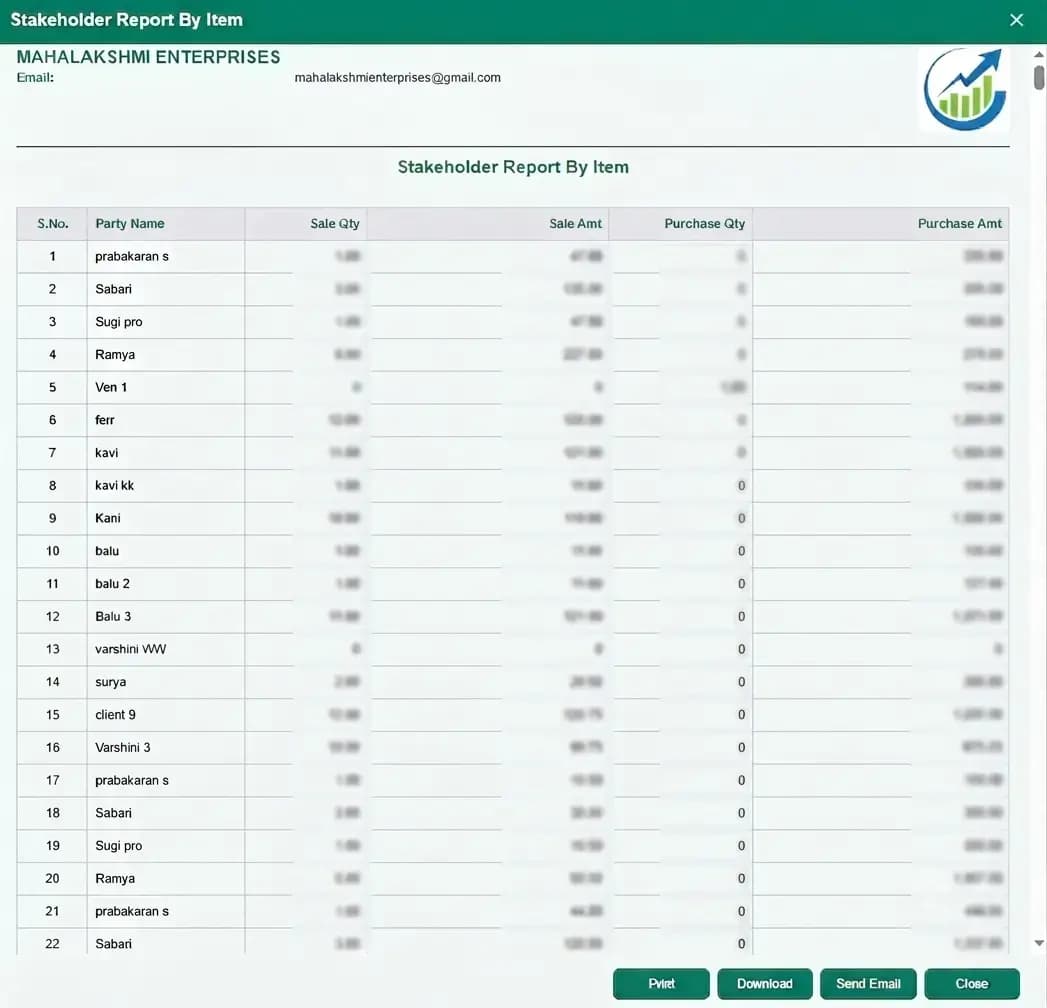
Powerful Tools for Stakeholder Reporting by Item
Stakeholder Mapping
Identify and categorize all project stakeholders.
Item-Based Reporting
Generate detailed reports by specific items or deliverables.
Progress Analytics
Track completion status and performance metrics.
Smart Filtering
Filter reports by stakeholder, item, or date range.
Timeline View
Visualize stakeholder engagement over time.
What is a Stakeholder Report by Item?
A comprehensive document that tracks and reports on specific deliverables, tasks, or items as they relate to different stakeholders in a project or business context.
Granular Tracking
A Stakeholder Report by Item provides a granular view of progress, status, and engagement, allowing organizations to monitor how individual items are being managed and how stakeholders are interacting with each deliverable.
Stakeholder Connection
Unlike traditional stakeholder reports that focus solely on relationships, an item-based stakeholder reportconnects stakeholders directly to specific deliverables, making it easier to track accountability, identify bottlenecks, and ensure that all stakeholder requirements are being met efficiently.
How to Use a Stakeholder Report by Item
Follow these steps to maximize the value of your stakeholder reports
Identify Key Items
Define the specific deliverables, tasks, or items that need to be tracked. These could include reports, deliverables, milestones, or any other measurable outputs.
Map Stakeholders
Identify all stakeholders associated with each item. This includes clients, team members, investors, regulators, and other parties with an interest in the item.
Track Status Updates
Regularly update the status of each item to reflect its current state. Common statuses include Completed, In Progress, Pending, and Blocked.
Generate Regular Reports
Use the item-based stakeholder report to generate regular updates for stakeholders, providing transparency and accountability.
Analyze and Optimize
Review the report to identify patterns, bottlenecks, and opportunities for improvement in stakeholder engagement and item completion.
Share and Collaborate
Share the report with relevant stakeholders to ensure alignment, gather feedback, and facilitate collaborative decision-making.
Why Businesses Need It
- Clear Accountability: Assign specific items to stakeholders and track ownership.
- Transparent Progress: Provide stakeholders with clear visibility into item status.
- Risk Identification: Spot bottlenecks and blockers early to mitigate risks.
- Regulatory Compliance: Maintain accurate records for audit and compliance.
- Enhanced Communication: Facilitate better stakeholder communication.
- Improved Decision-Making: Make data-driven decisions with accurate progress data.
Key Benefits
- Better Resource Allocation: Identify where resources are needed most.
- Increased Efficiency: Streamline reporting processes and reduce manual work.
- Enhanced Collaboration: Foster better collaboration between teams and stakeholders.
- Reduced Delays: Identify and address issues before they cause delays.
- Improved Stakeholder Satisfaction: Keep stakeholders informed and engaged.
- Higher Project Success Rates: Achieve project goals more consistently.
Key Components of a Stakeholder Report by Item
Essential elements that make up a comprehensive stakeholder report
Item Identification
Each report item must have a unique identifier (ID) and clear description for easy reference and tracking.
Stakeholder Mapping
Each item should clearly indicate which stakeholders are involved, their roles, and level of interest.
Status Tracking
Current status of each item with clear indicators: Completed, In Progress, Pending, or Blocked.
Timeline & Updates
Last updated date and historical progress tracking to monitor item evolution over time.
Priority Levels
Assign priority levels (High, Medium, Low) to help teams focus on critical items first.
Action Items
Clearly defined next steps, action items, and responsible parties for each item.
How Stakeholder Reports Support Financial Analysis & Decision-Making
Financial Planning Insights
Item-based stakeholder reports are powerful tools for financial analysis and strategic decision-making. By connecting specific deliverables to stakeholder expectations, these reports provide insights that directly impact financial planning and resource allocation.
Strategic Resource Allocation
For financial decision-making, these reports help identify which items are driving value, which stakeholders are critical to project success, and where resources should be allocated for maximum return. The granular view of item progress enables better forecasting, risk management, and strategic planning, ultimately contributing to stronger financial performance.
Best Practices for Maintaining Accurate Stakeholder Reports
Follow these best practices to ensure your stakeholder reports are accurate and effective
Regular Updates
Update stakeholder reports at least weekly to ensure accuracy and relevance. Timely updates prevent information gaps and maintain stakeholder trust.
Standardized Format
Use consistent formats and templates across all items to ensure comparability and ease of understanding.
Stakeholder Input
Involve stakeholders in the reporting process to ensure accurate representation of their needs and expectations.
Data Validation
Regularly validate data to ensure accuracy and reliability. Cross-check item statuses and stakeholder information.
Clear Communication
Communicate report findings clearly to all stakeholders, highlighting key items and action items.
Continuous Improvement
Regularly review and refine your reporting process to incorporate feedback and improve efficiency.
Understanding Stakeholder Reports by Item for Business Growth
How item-based stakeholder reports drive sustainable business growth
Item-based stakeholder reports are essential for business growth as they provide the visibility needed to manage relationships effectively, ensure project success, and maintain stakeholder confidence. By tracking specific items and their associated stakeholders, organizations can identify opportunities for improvement, optimize resource allocation, and drive sustainable growth.
Driving Business Growth with Item-Based Stakeholder Reports
Item-based stakeholder reports are transformative tools that enable organizations to align stakeholder expectations with project deliverables. By providing clear visibility into the progress and status of specific items, these reports facilitate better communication, more effective resource allocation, and improved stakeholder satisfaction. For businesses focused on growth, these reports serve as a foundation for building trust, demonstrating accountability, and creating a culture of transparency.
Enhancing Stakeholder Relationships
Item-based stakeholder reports strengthen relationships by providing stakeholders with the specific information they need, when they need it. By focusing on individual items and deliverables, these reports demonstrate a commitment to meeting stakeholder expectations and maintaining open lines of communication. This targeted approach builds trust and confidence, which are essential for long-term business partnerships and sustainable growth.
Improving Project Success Rates
With clear visibility into item-specific progress, organizations can identify potential issues early and take corrective action before they impact project outcomes. The item-based approach enables teams to focus on what matters most, ensuring that critical deliverables receive the attention they need. This proactive approach leads to higher project success rates, stronger stakeholder satisfaction, and better business outcomes.
Optimizing Resource Allocation
By analyzing stakeholder reports by item, businesses can identify which items require more resources, which stakeholders need additional support, and where inefficiencies exist. This insight enables strategic resource allocation, ensuring that time, money, and talent are directed toward the most impactful activities for business growth.
Driving Continuous Improvement
Item-based stakeholder reports provide a foundation for continuous improvement by highlighting patterns, trends, and areas for optimization. Organizations can use this data to refine processes, improve communication, and enhance their ability to deliver value to stakeholders.
Building a Competitive Advantage
Organizations that effectively use item-based stakeholder reports gain a competitive advantage by demonstrating superior accountability, transparency, and stakeholder management. This reputation for excellence attracts new clients, investors, and partners, fueling business growth and market expansion.
Effective stakeholder reporting by item is the foundation of successful stakeholder management, enabling organizations to build trust, drive efficiency, and achieve sustainable growth.